
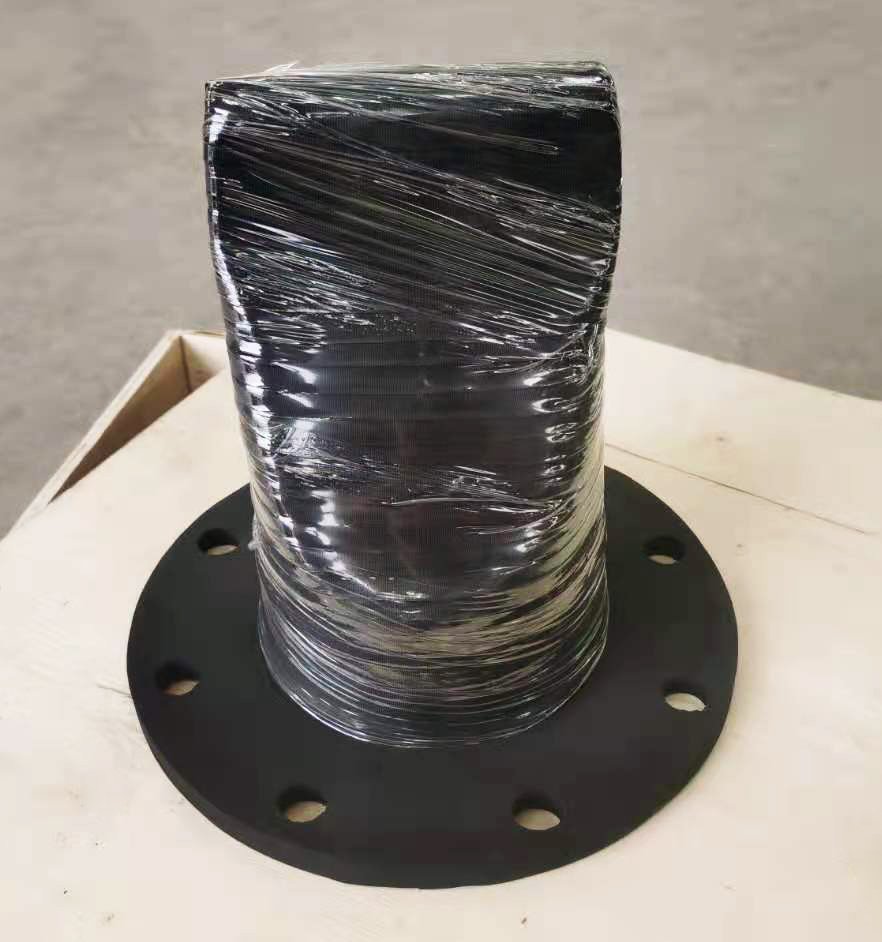
Inline Flanged Duckbill Check Valve
Professional inline flanged duckbill check valve designed for superior backflow prevention in demanding industrial applications. Features robust construction with customizable specifications.
Technical Specifications
Engineered for excellence with premium materials and precise manufacturing standards
Product Details
Key Advantages
Excellent Backflow Prevention
Unique duckbill design ensures complete seal against reverse flow
Low Cracking Pressure
Opens with minimal forward pressure for efficient operation
Self-Cleaning Design
Non-clogging operation with automatic debris clearance
Long Service Life
Durable materials ensure years of reliable operation
When to Use Inline Flanged Duckbill Check Valves
These specialized valves are essential in critical applications where backflow prevention and reliable operation are paramount
Wastewater Treatment Plants
Perfect for preventing backflow in sewage discharge systems, especially where gravity flow meets pressurized systems. Essential for maintaining treatment process integrity.
Stormwater Management
Critical for storm drainage systems where tidal influence or surging water levels could cause damaging backflow into collection networks.
Industrial Process Lines
Ideal for chemical processing, food production, and manufacturing where product contamination from backflow must be absolutely prevented.
Marine & Coastal Applications
Essential for outfalls and discharge points where tidal action, wave surge, or varying water levels create backflow risks.
Power Plant Cooling Systems
Critical for thermal power plants where cooling water discharge must prevent backflow that could damage expensive equipment or disrupt operations.
Gravity Flow Systems
Perfect for applications where maintaining unidirectional flow is critical, such as sump pump discharge lines and gravity drainage networks.
Expert Recommendation
Inline flanged duckbill check valves are particularly recommended for applications where space constraints require the valve body to be installed within the pipe system, while still providing the superior backflow prevention characteristics of traditional duckbill technology. The flanged connection ensures secure, leak-proof installation suitable for higher pressure applications.
Installation Guide & Important Considerations
Proper installation is crucial for optimal performance and longevity of your inline flanged duckbill check valve
Step-by-Step Installation
Pre-Installation Inspection
Verify valve size matches pipe diameter. Inspect duckbill rubber for any damage or defects. Ensure flange bolt holes align with mating flanges.
Pipe Preparation
Clean pipe ends thoroughly. Remove any debris, scale, or rough edges that could damage the valve. Ensure pipe alignment is straight and true.
Gasket Installation
Install appropriate gaskets between flanges. Use gasket material compatible with your media (EPDM, NBR, etc.). Ensure gaskets are properly centered.
Valve Positioning
Position valve with duckbill opening facing downstream (flow direction). Ensure valve body is properly oriented within the pipe bore.
Flange Connection
Insert bolts and tighten in a star pattern to ensure even pressure distribution. Use specified torque values for your flange standard and size.
Final Testing
Conduct pressure test to verify seal integrity. Test valve operation with forward and reverse flow conditions to confirm proper function.
Critical Installation Considerations
⚠️ Critical Warnings
- • Never install valve backwards - duckbill must face downstream
- • Do not exceed maximum working pressure specifications
- • Avoid sharp objects that could puncture the rubber duckbill
- • Do not use petroleum-based lubricants on rubber components
✓ Best Practices
- • Install in accessible location for future maintenance
- • Use stainless steel bolts in corrosive environments
- • Allow adequate clearance around valve for inspection
- • Document installation date and specifications for maintenance records
Environmental Factors
- • Consider temperature extremes when selecting rubber material
- • Account for chemical compatibility with process media
- • Protect from UV exposure in outdoor installations
- • Plan for thermal expansion in long pipe runs
Maintenance Schedule
- • Monthly: Visual inspection for external damage
- • Quarterly: Check flange bolt torque
- • Annually: Comprehensive inspection and function test
- • As needed: Replace if rubber shows signs of deterioration
Required Tools & Materials
Installation Tools
- • Torque wrench (calibrated to flange specifications)
- • Socket set and spanners
- • Pipe alignment tools
- • Cleaning equipment and solvents
- • Pressure testing equipment
Additional Materials
- • Compatible gasket material
- • Stainless steel bolts and nuts
- • Thread sealant (if required)
- • Anti-seize compound
- • Marking materials for documentation
Ready to Order Your Inline Flanged Duckbill Check Valve?
Get expert consultation and custom specifications tailored to your specific application requirements